
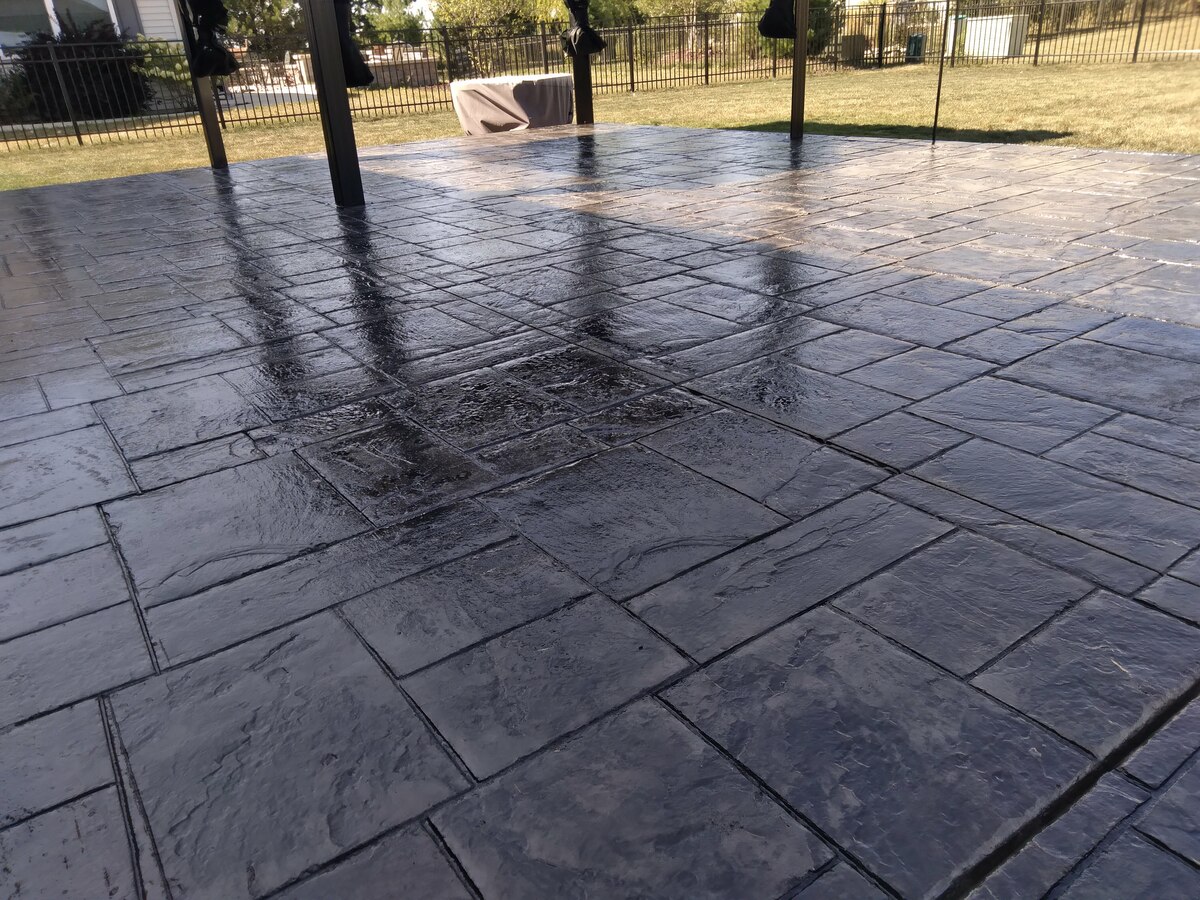
Stamped
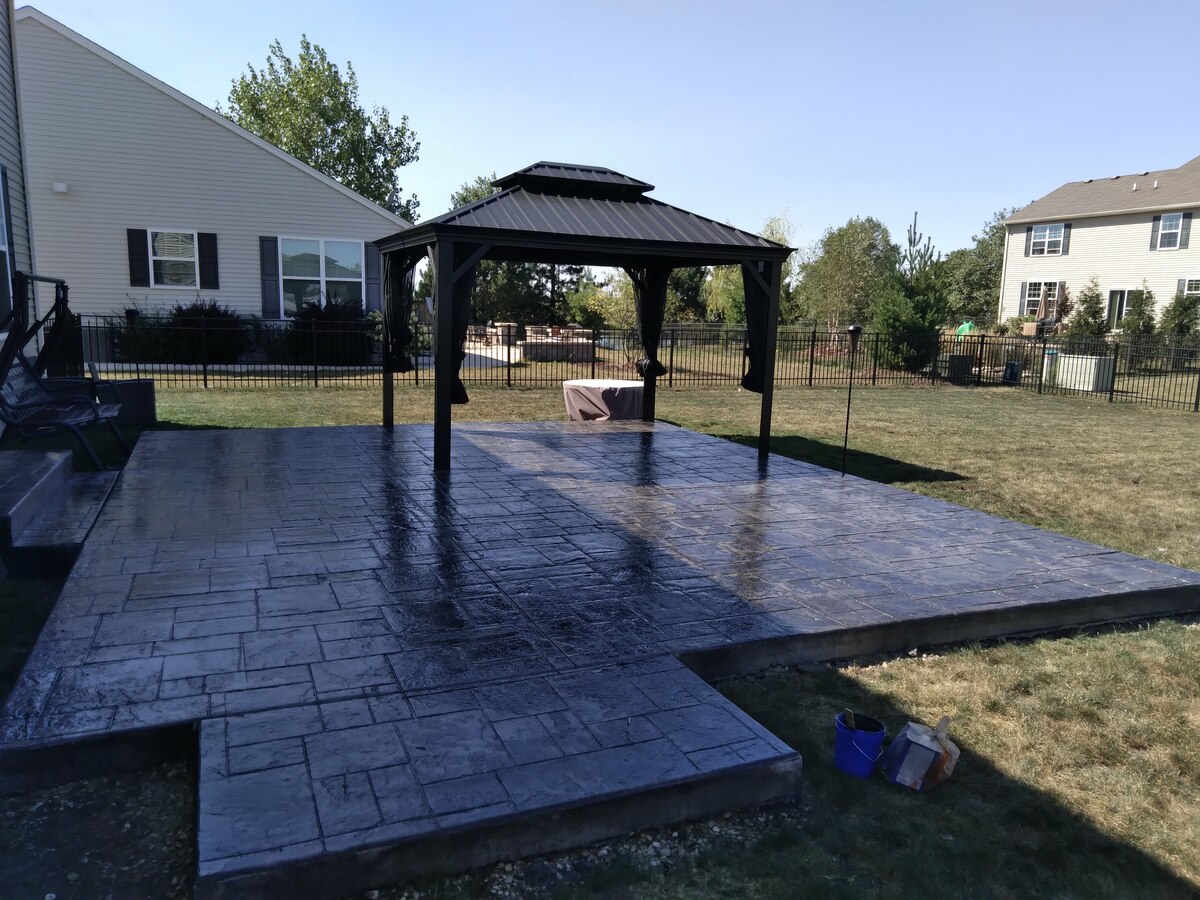
Stone, slate, or brick patterns pressed into fresh concrete.
Stamped & Decorative · Joliet & Chicagoland
Stamped patterns for patios, pool decks, and walkways across Joliet and Chicagoland, poured and finished by one crew.
What's included
Pattern and texture pressed into the surfaces you use most.
A pattern that turns a slab into an outdoor room.
The look of stone around the pool, in one solid surface.
Front walks and garden paths with the look of laid stone.
Finish
Same solid base. Different character.
Stone, slate, or brick patterns pressed into fresh concrete.
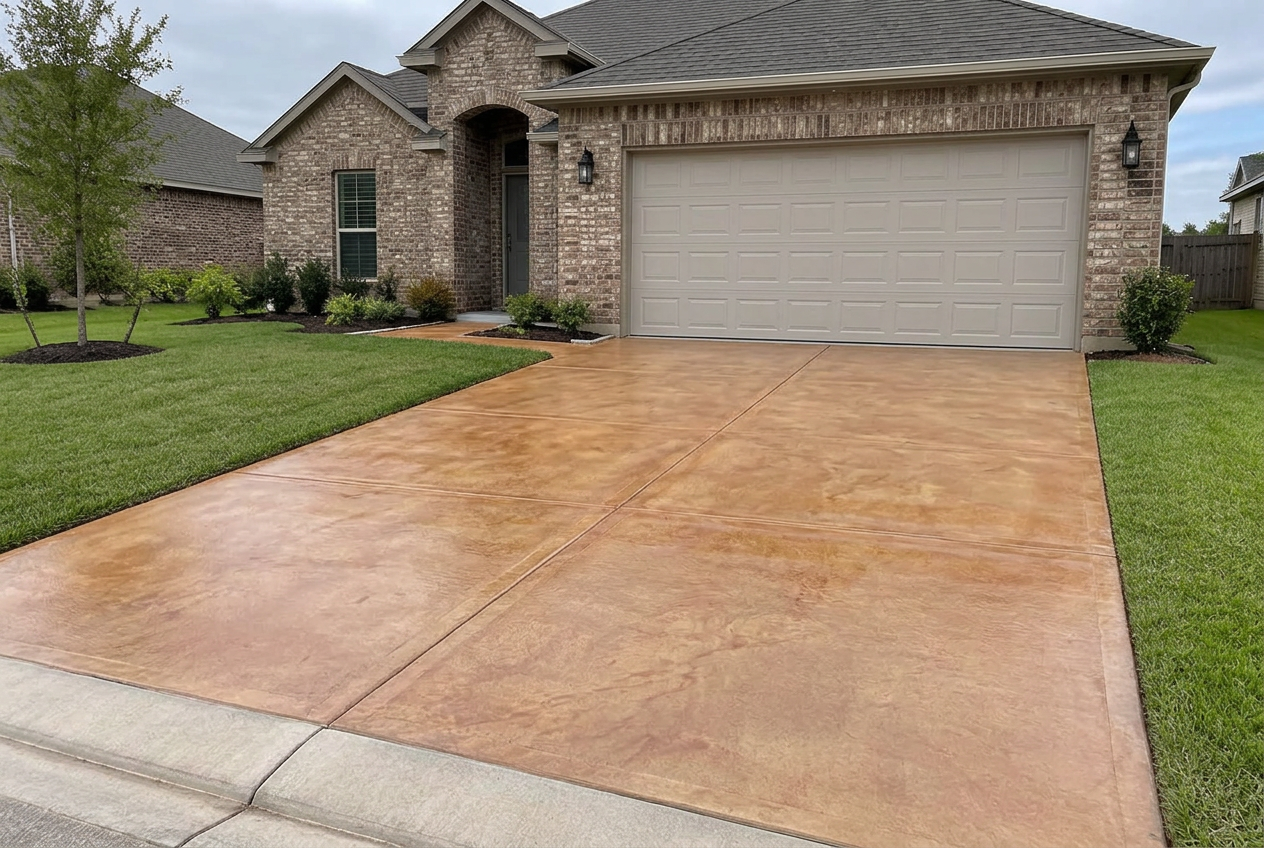 Pending confirmationIllustrative
Adds warmth and color to a solid surface.
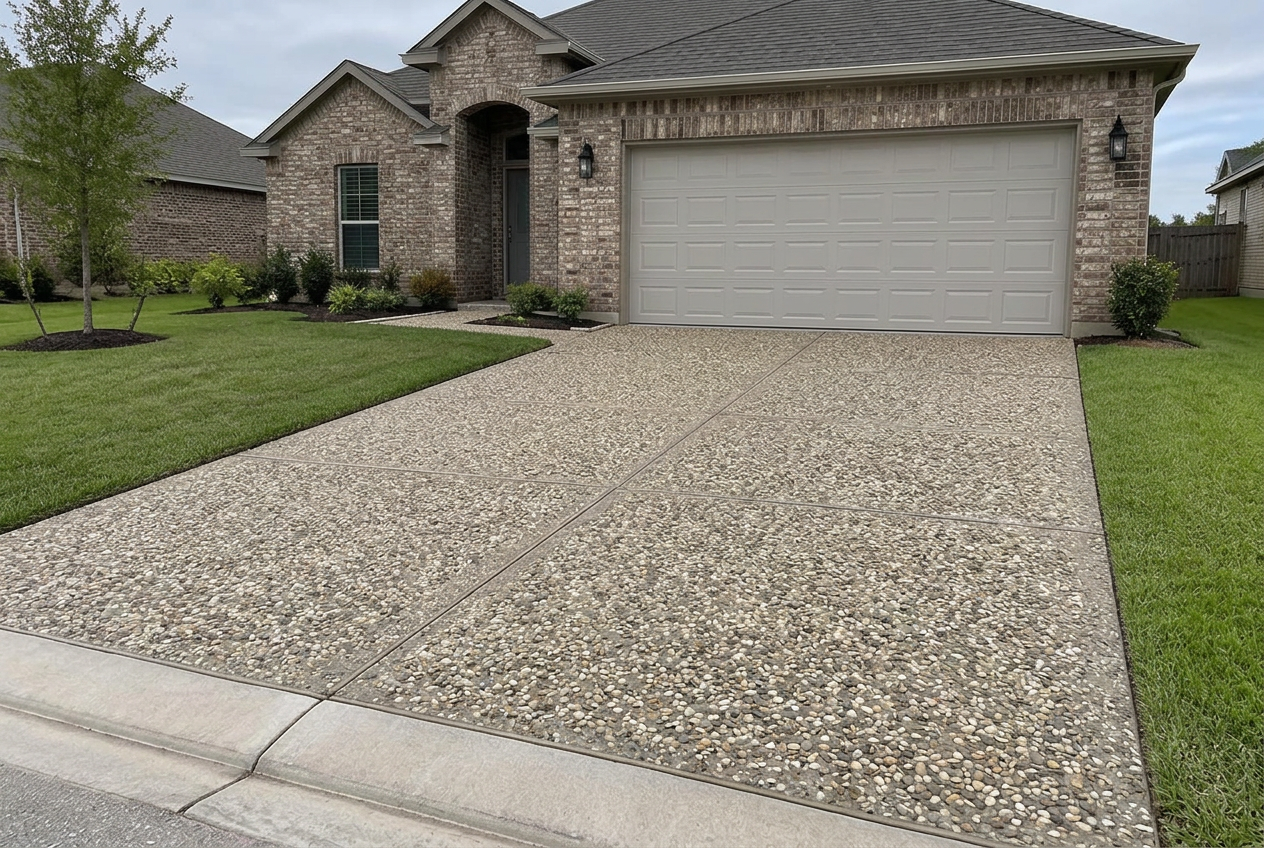 Pending confirmationIllustrative
Stones on the surface for texture and traction.
How we build it
Stamping happens in a short window while the concrete is still workable. Everything before it decides how long the pattern lasts.
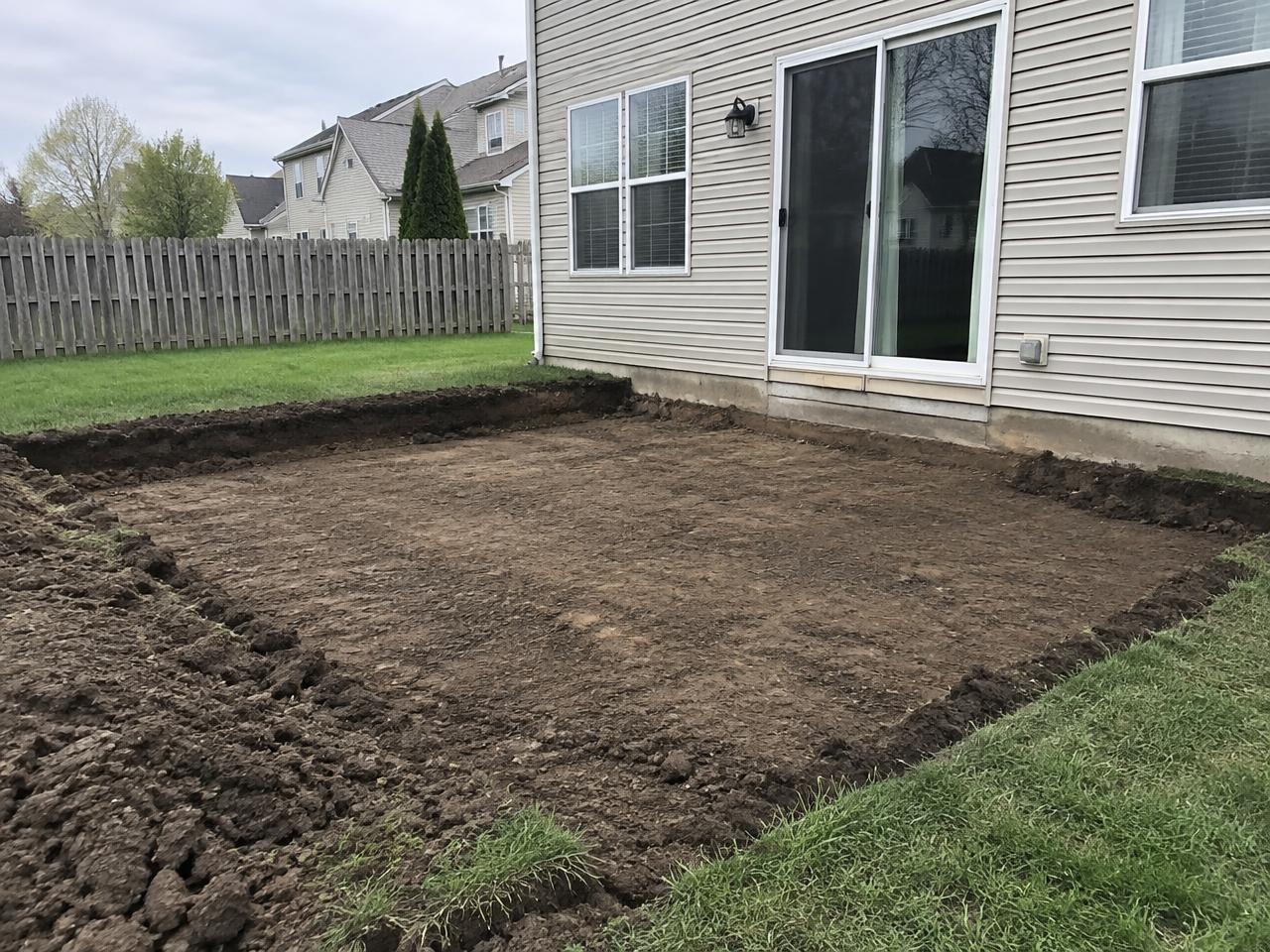
Dug to depth; soft spots come out and compacted gravel goes in for an even bed.
Source: Concrete Network
 Illustrative
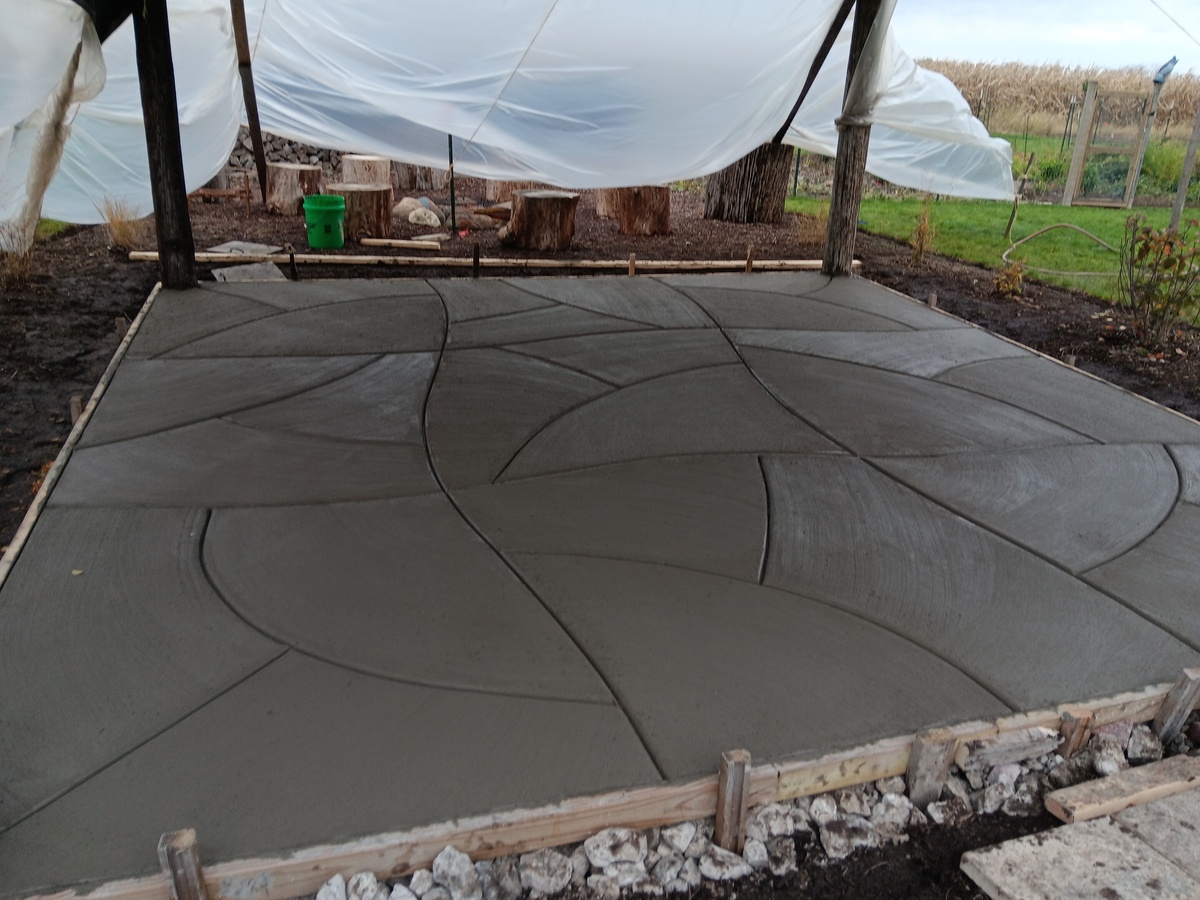
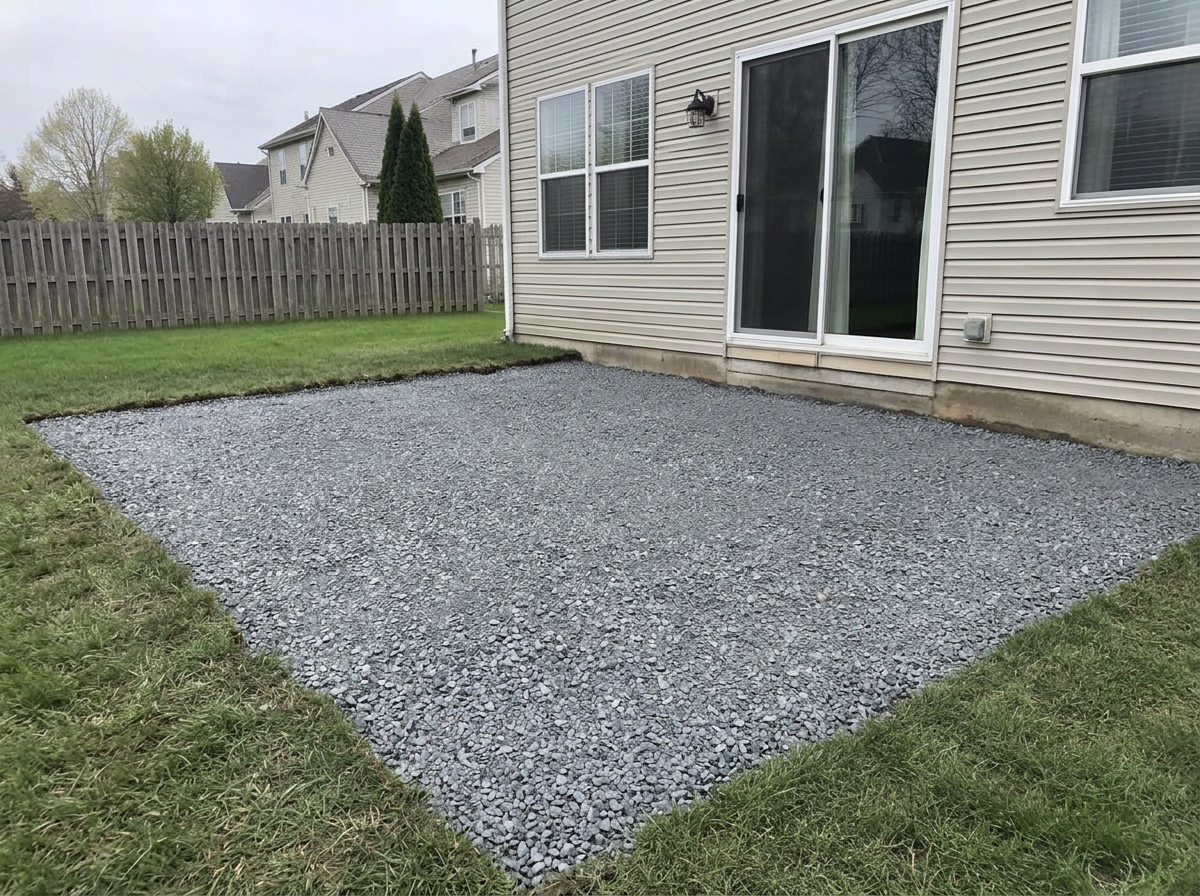
Forms set the shape, and control joints are planned before the pour.
 Illustrative
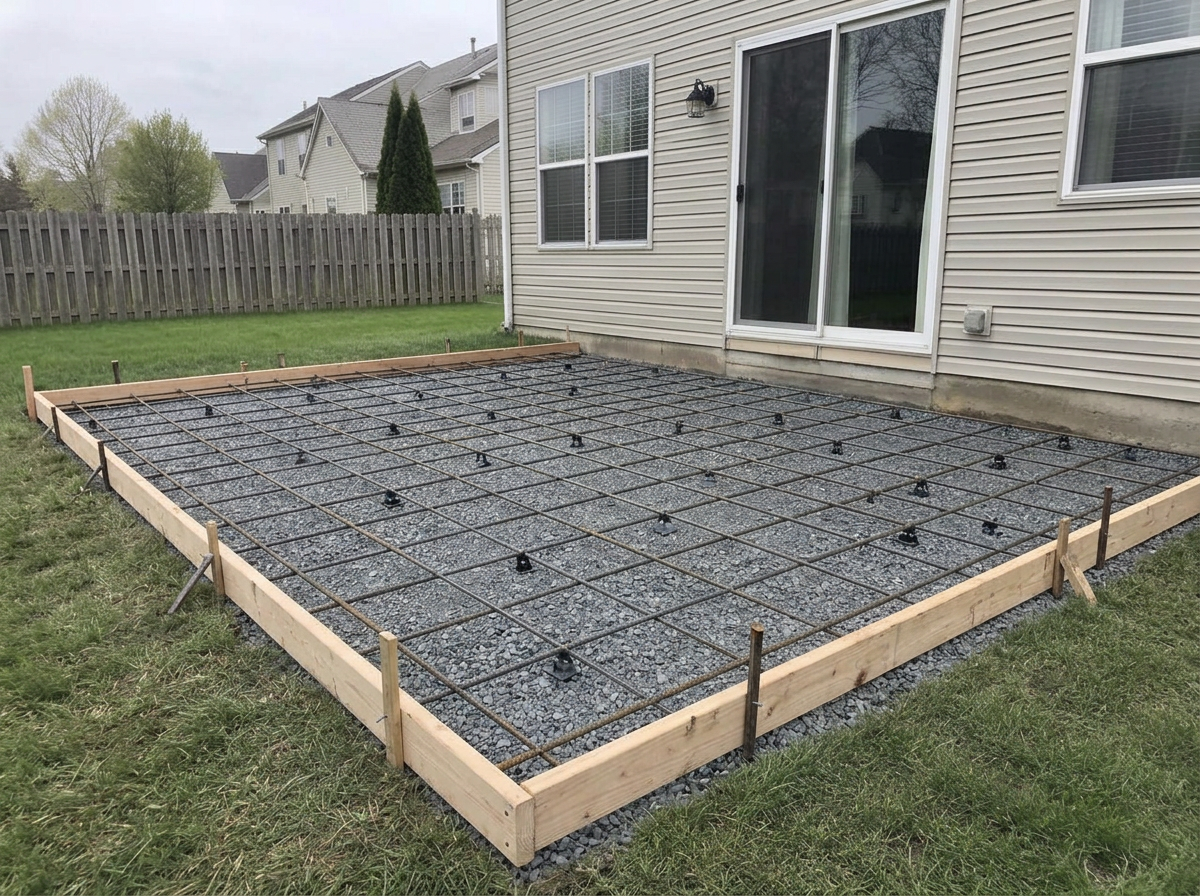
Poured, leveled, and floated smooth by the same crew that prepped it.
 Illustrative
A release agent goes down, then the stamps are pressed in while the concrete is still workable.
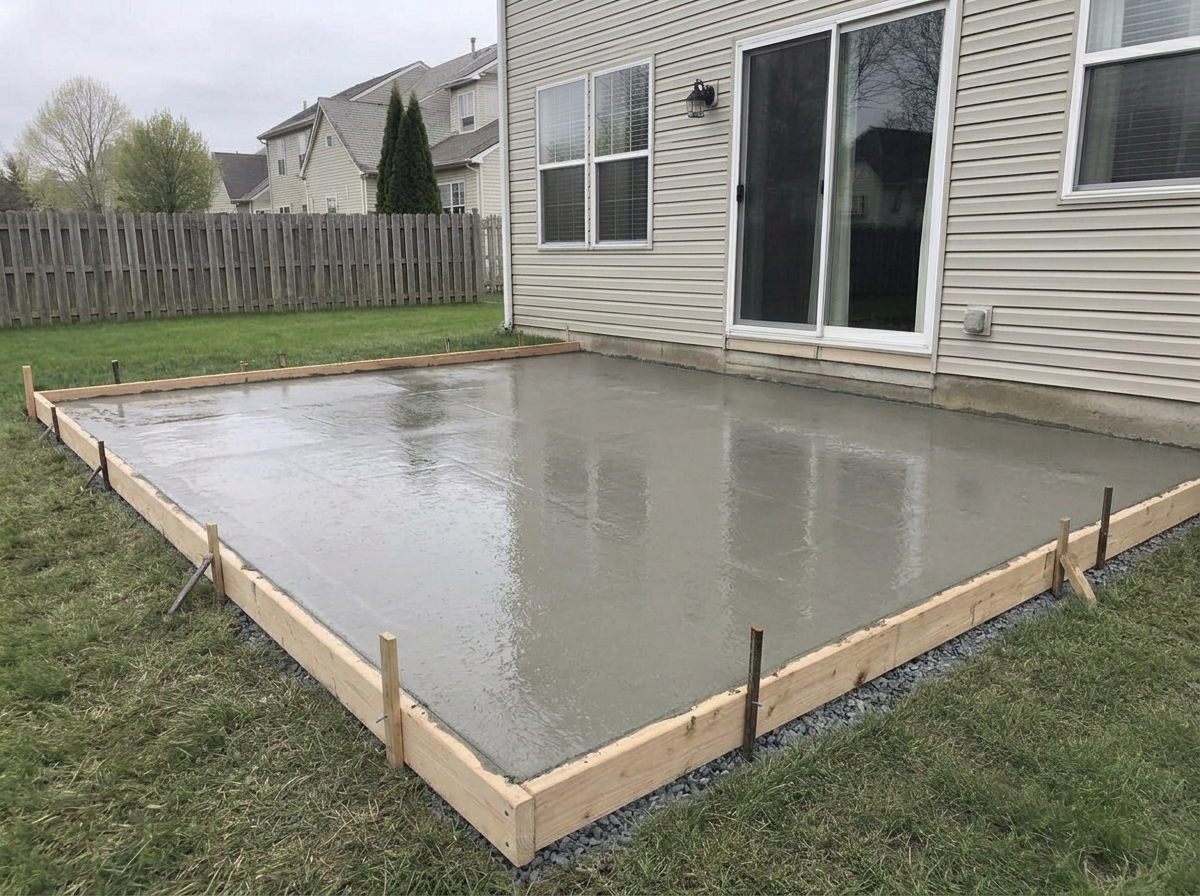
IllustrativeThe slab cures fully before anything else touches the surface.
 IllustrativeIllustrative
Step 1 of 5 · Excavate & base
One crew from the base to the last stamp.
The standard
General guidance from concrete industry sources. Ask any contractor for theirs.
New stamped concrete is sealed after about 28 days of curing, so excess water leaves and the sealer bonds.
Source: Concrete Network
Accent color from release agents stays between 5 and 30% of the finish, or the sealer may not bond well.
Source: Concrete Network
Tiny air pockets that give freeze-thaw somewhere to go. Standard for outdoor concrete in Illinois.
Source: PACA
Control joints about every 10 ft on a 4 in. slab, so cracks form where they're planned, not across the pattern.
Source: Concrete Network
Recent work
Real projects from Joliet and Chicagoland.
Care
A push broom, a hose, and mild detergent. Pressure-wash carefully so the sealer isn't damaged.
Source: Concrete Network
About every 2 to 3 years. A fresh coat usually brings the luster back.
Source: Concrete Network
Avoid deicing salts, especially the first winter, and never ammonium nitrate or ammonium sulfate.
Source: PACA
Glossy sealed finishes get slick when wet. Near pools and on walks, ask about a non-slip additive in the sealer.
Source: Concrete Network
There are four common ways:
Many finishes combine two or more.
Source: Concrete Network
Sealed stamped concrete can get slick when wet, especially with a glossy finish. A non-slip additive in the sealer helps on pool decks and walkways.
Source: Concrete Network
About every 2 to 3 years, depending on weather. When the surface looks dull, it's time.
Source: Concrete Network
It's still concrete, so hairline cracks can happen. A compacted base, reinforcement, and planned control joints keep them small and in planned places.
Avoid deicing salts, especially the first winter, and never ammonium nitrate or ammonium sulfate.
Source: PACA
Yes. In Joliet, installing or replacing a patio or sidewalk needs a permit with an accurate plat of survey, whether it's plain or stamped.
Source: City of Joliet
Get started
Request a free quote and we'll walk through patterns, finishes, and upkeep for your space. Prefer to talk? Call 815-836-1828, 7 days a week.
Free quotes, 7 days a week.